

Is There a 2026 ID Buzz? | Volkswagen Electric Van
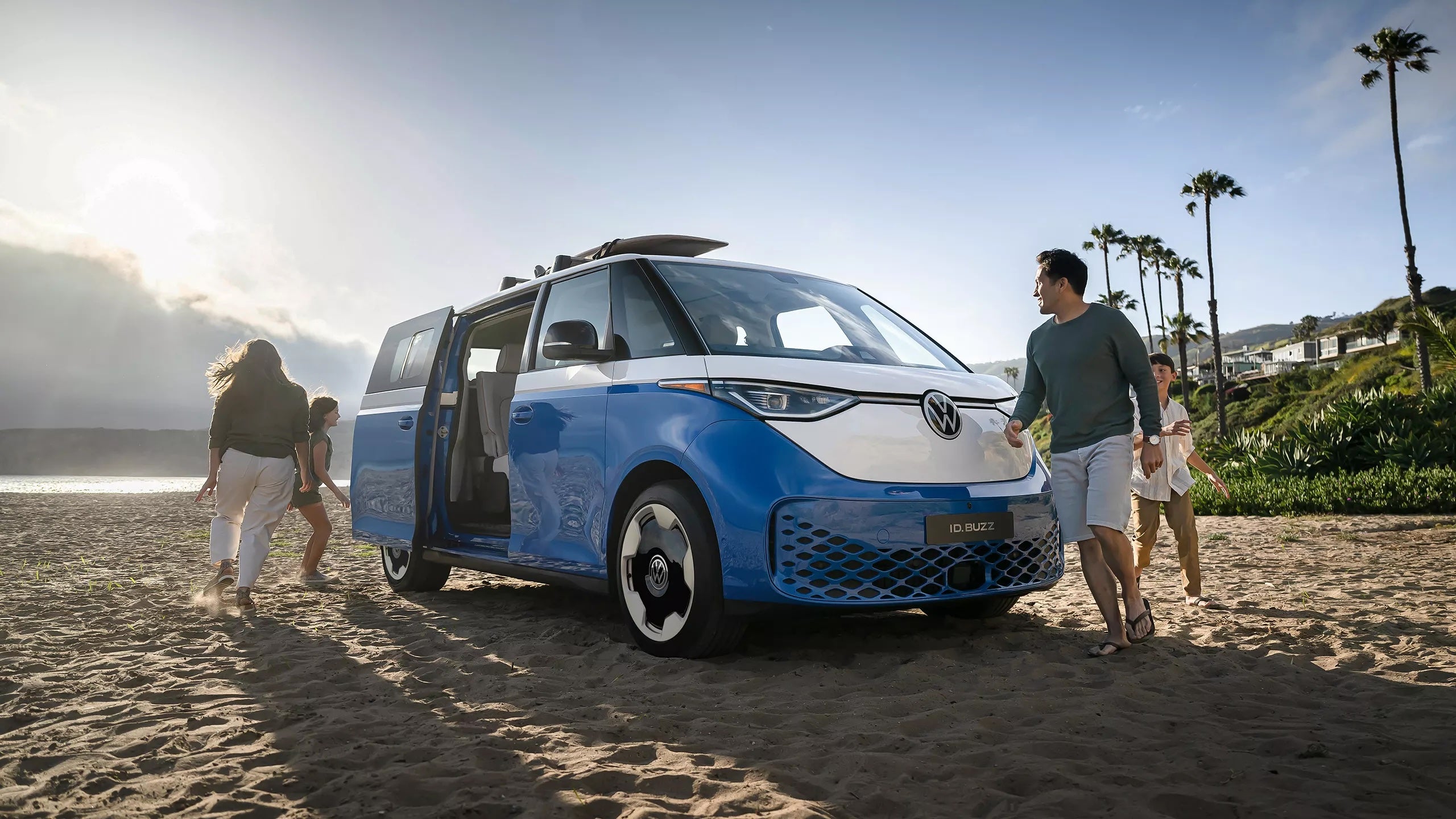
Is There a 2026 ID Buzz?
Demystifying Volkswagen's release schedule, North American availability, and the latest electric vehicle updates for local shoppers.
As electric vehicles transition from concept cars into mainstream driveways, few models have captured the public's imagination quite like the Volkswagen electric microbus. With its retro styling cues, vibrant paint choices, and versatile interior spacing, shoppers everywhere are eager to know its exact arrival timelines. However, if you are looking for an official answer to the question, "Is there a 2026 ID Buzz?" the explanation comes with a massive geographical asterisk.
For drivers shopping in North America, there is no official 2026 model-year ID. Buzz. Volkswagen has intentionally adjusted its production cycle for the United States and Canada, choosing to launch the long-wheelbase electric van as a 2025 model year and skipping the 2026 designation entirely. The vehicle will return to the North American lineup as a 2027 model year. Conversely, if you look across the Atlantic, the European market is actively receiving an updated 2026 model-year configuration featuring distinct mechanical adjustments and mechanical upgrades.
Understanding these model year technicalities is crucial for automotive consumers trying to coordinate their next trade-in or new vehicle purchase. Working with experienced car dealerships VW drivers trust ensures you receive accurate availability timelines rather than confusing third-party internet rumors. Let's break down exactly what this unique model-year strategy means for you, how the current inventory is set up, and what exciting technical developments are unfolding globally.
The North American vs. European Product Timeline
Automobile manufacturers frequently alter vehicle names, option packages, and model year designations depending on regional demands and safety validation timelines. The rollout of the fully electric van highlights this approach clearly.
The United States Market Reality
Skipping the 2026 model year to maximize local 2025 custom inventory builds.
When Volkswagen introduced the highly anticipated three-row, long-wheelbase variant to the North American market, it was designated as a 2025 model-year vehicle. Because shipments began arriving in volume later in the season, corporate planners decided to skip the 2026 model year entirely in the United States.
This means that local shoppers browsing an authorized Volkswagen dealership this year will look at new 2025 models sitting on the showroom floor. This strategy gives the factory time to fulfill initial custom orders while laying the groundwork to introduce the 2027 model-year update smoothly when the next production cycle begins.
The European Market Update
Active mid-cycle technical enhancements introducing revised ergonomics.
Across Europe and the United Kingdom, where the short-wheelbase variant has been on sale for a longer period, an official 2026 model-year version is rolling out to regional showrooms. This production run includes important updates based on early customer feedback.
The updated 2026 European-spec van receives a notable power increase via a dual-motor 4Motion configuration, an upgraded central entertainment system, one-pedal driving options, and the return of physical steering wheel buttons to replace touch-sensitive pads. These changes provide a clear look at the mechanical updates likely to arrive in America for the 2027 model year.
Core Technical Specifications of the Available Lineup
Whether you are purchasing the initial three-row version or planning out a future order, the core engineering platform delivers consistent capability tailored for modern electric vehicle driving demands.
Powertrain and Power Output
Standard configurations use a responsive rear-wheel-drive single motor producing 282 horsepower. Available dual-motor all-wheel-drive upgrades boost total system output to 335 horsepower, ensuring confident traction through changing winter road conditions.
Battery and Range Planning
Equipped with a large lithium-ion battery pack providing approximately 86 kWh of usable capacity. Drivers can plan around a practical real-world highway driving range in the low-to-mid 200-mile ballpark, depending on passenger weight and wheel choices.
DC Fast-Charging Capability
The modern electrical architecture supports peak DC fast-charging speeds between 170 kW and 200 kW. Under optimal conditions, this allows drivers to charge the battery from 10% to 80% capacity in about 30 to 40 minutes during road trips.
What's New in the Global 2026 Model Year Updates?
The revisions made to the overseas 2026 model year show how Volkswagen is continuously refining its electric vehicle lineup. These updates directly address customer feedback regarding cabin ergonomics and software speeds.
The Return of Physical Tactile Controls
One of the most notable interior updates is the removal of flat haptic touch pads from the steering wheel. In their place, traditional physical buttons return, giving drivers a clear tactile click when adjusting audio volume or managing cruise control settings. This simple change helps reduce eyes-off-the-road distractions during busy highway travel.
Vehicle-to-Load (V2L) External Power Expansion
The updated electrical framework introduces useful vehicle-to-load functionality. Using a dedicated outlet adapter, the van can act as a mobile generator, supplying up to 2 kW of external power. This allows owners to easily run small appliances, power camping gear, or charge electric bicycles directly from the vehicle's primary battery pack during weekend getaways.
Upgraded Innovision Entertainment Software
The dashboard tech receives a helpful upgrade with the introduction of the latest Innovision software suite. Featuring a responsive central touchscreen, the system includes cleaner menus and an integrated application ecosystem. Drivers can download popular native apps for video streaming, digital gaming, specialized parking assistance, and optimized route-planning with integrated charging stops.
Navigating Your Vehicle Search at Local Dealerships
If you are eager to bring an electric microbus home, following a structured process helps clarify available inventory options at your local Volkswagen dealer near me.
1
Review Live Local Inventory
Search online showrooms to check the availability of on-site 2025 three-row variants, including available trim levels like the Pro S or Pro S Plus.
2
Compare Cabin Configurations
Determine whether your family prefers a seven-passenger layout with a second-row bench seat or a six-passenger setup with dual captain's chairs.
3
Discuss Future 2027 Reservation Lists
If you prefer to wait for the updated interior buttons and power enhancements, speak with a sales specialist to join the reservation waitlist for the upcoming model year.
Long-Term High-Voltage Maintenance Requirements
Electric vehicles utilize unique cooling systems, complex battery cells, and high-voltage wiring circuits that require specialized care compared to standard internal combustion engines. To keep your vehicle performing safely and efficiently, staying up-to-date with routine factory inspections is essential.
Key maintenance needs include checking high-voltage battery cooling fluid levels, inspecting electric drive motors, replacing cabin air filters, and performing regular tire rotations to manage the unique wear patterns caused by instant electric torque.
For complex technical diagnostics or major mechanical issues, it is always best to seek professional mechanical assistance from certified technicians who use specialized diagnostic equipment and genuine OEM parts designed specifically for your model.

All vehicle prices exclude applicable taxes, title, license, registration, finance charges, emissions testing fees, and any other fees required by law or by the selling dealer, lender, or governmental agency, unless otherwise expressly stated. Out-of-state purchasers are responsible for all taxes, title, registration, and government fees applicable in the state where the vehicle will be registered.
Unless otherwise noted, advertised prices include manufacturer incentives available to the dealer. Manufacturer incentives, rebates, and special offers are subject to eligibility requirements, program rules, and expiration dates. Not all customers will qualify for every incentive or rebate advertised. Offers may not be combined and eligibility may depend on factors including, but not limited to, residency, current vehicle ownership or lease status, military service, college graduate status, loyalty, conquest eligibility, or financing through a designated lender. Dealer sets final price. Contact the dealership for complete program details, eligibility requirements, and final pricing.
Vehicle prices, payments, specifications, equipment, incentives, availability, and other information are believed to be accurate but are not guaranteed and are subject to change without notice. Dealer is not responsible for typographical, pricing, data transmission, or other administrative errors or omissions. Please verify all pricing, incentives, equipment, options, colors, accessories, trim levels, payments, and vehicle availability with the dealership prior to purchase.
Vehicle descriptions and information are based on manufacturer data and standard equipment and may not reflect the exact vehicle offered for sale. Images, videos, and other visual representations are for illustration purposes only and may not depict the actual vehicle. Options, colors, accessories, trim levels, body styles, packages, and other features may vary.
All vehicles are subject to prior sale.
EPA fuel economy estimates are provided for comparison purposes only. Actual mileage will vary based on driving conditions, vehicle maintenance, driving habits, weather, road conditions, and other factors.